Artificial Skylight for Indoor Commercial Space in Russia – D600×1200 Case Study
Project Overview
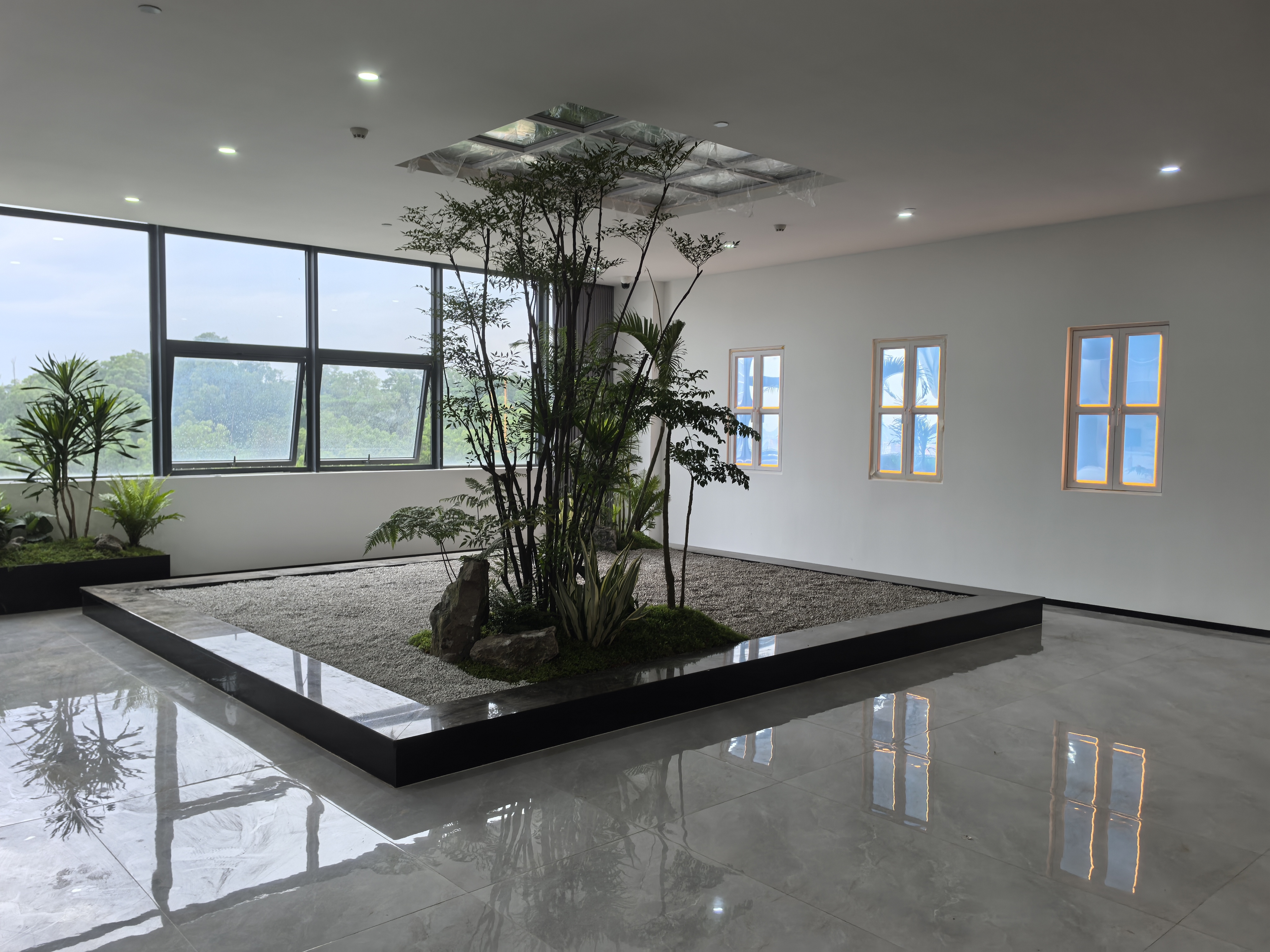
This project took place in Russia, where long winters and limited daylight create ongoing challenges for indoor environments. The client, a commercial contractor, was looking for an indoor lighting solution that could improve brightness while delivering a more natural and comfortable atmosphere.
The space had no direct access to natural sunlight, making it heavily dependent on artificial lighting. However, traditional LED panels failed to provide the desired visual quality and spatial experience.
Challenges in Windowless Indoor Spaces
Many commercial projects in regions like Russia face similar issues:
Insufficient natural daylight for most of the year
Over-reliance on flat LED panel lighting
Lack of depth and natural ambiance
Reduced comfort in long-duration indoor environments
For contractors and designers, the challenge is not just illumination—but creating a natural daylight effect indoors.
Solution: Artificial Skylight D600×1200
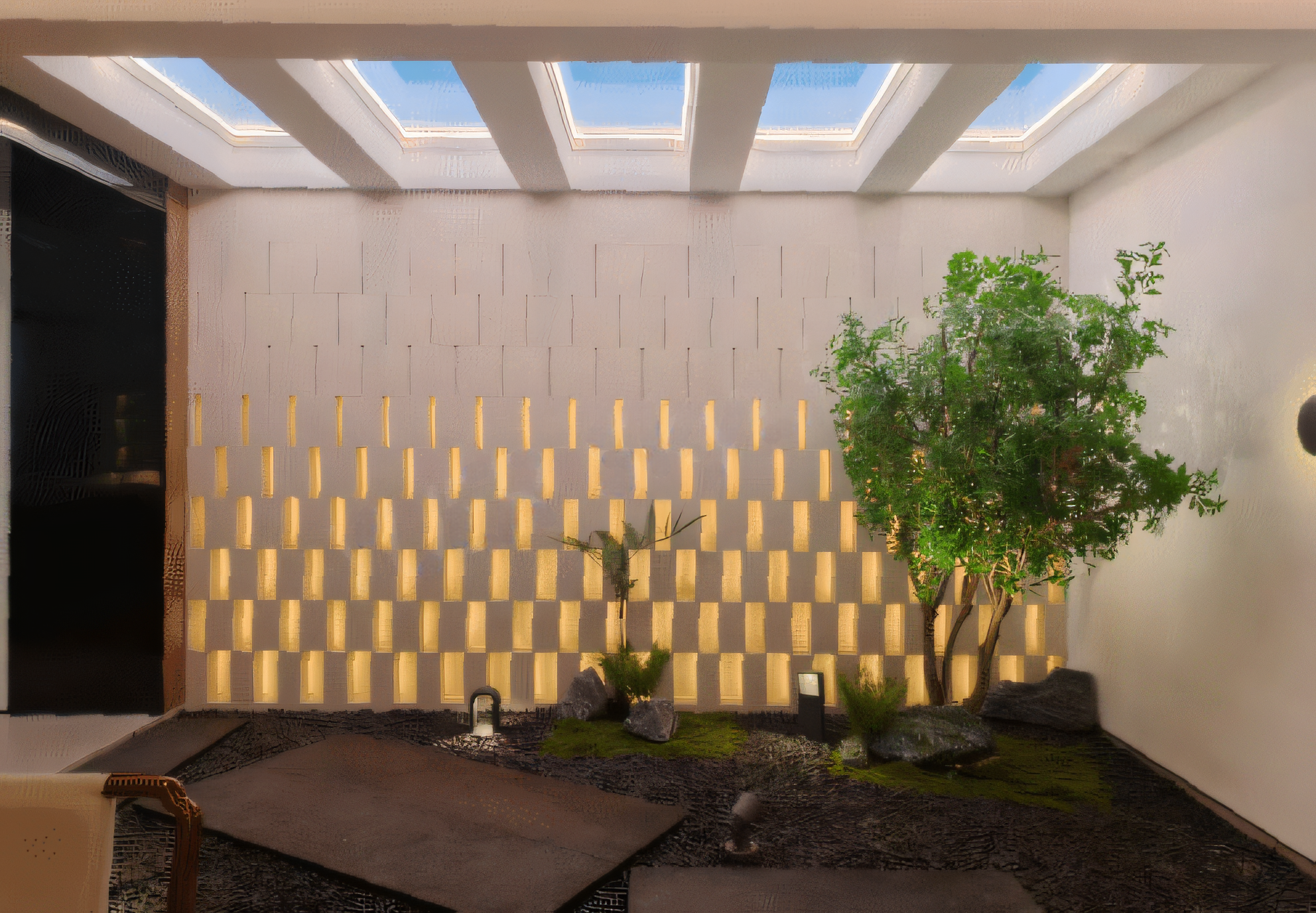
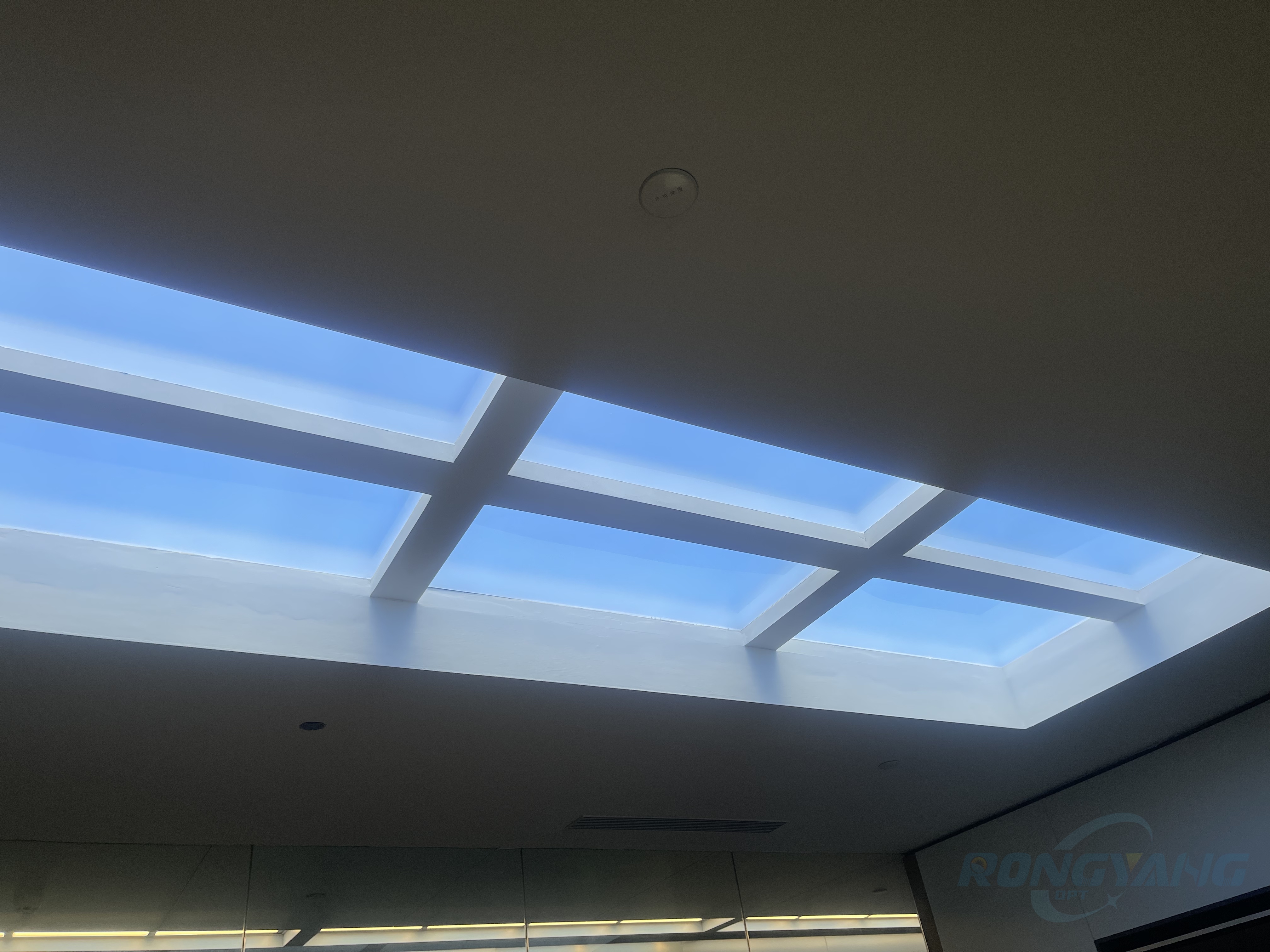
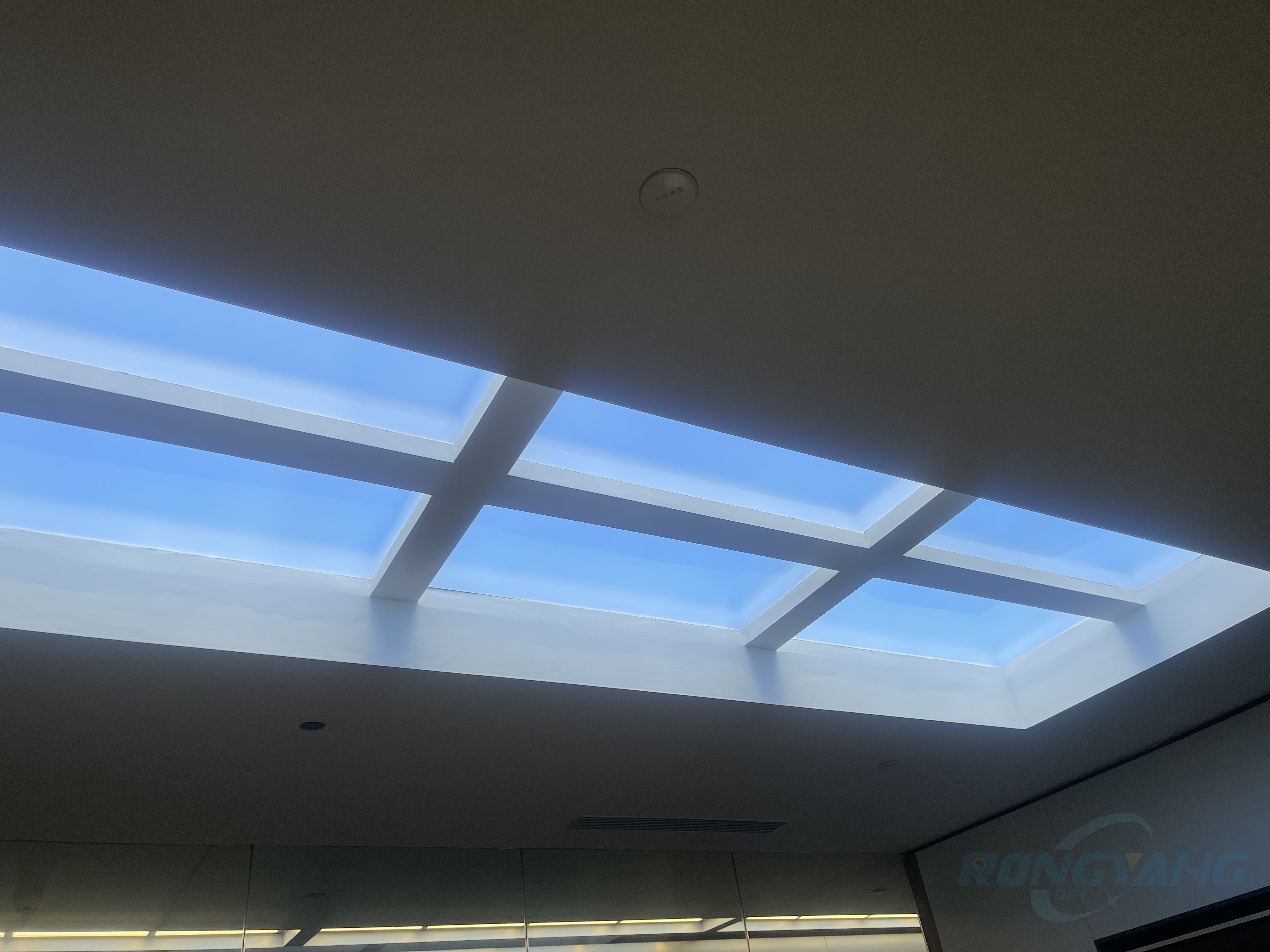
To solve these issues, we installed a D600×1200 artificial skylight, specifically designed for indoor daylight simulation.
Unlike standard lighting fixtures, this system recreates the visual experience of a real skylight, delivering both brightness and depth.
Key advantages of this solution:
High-output illumination suitable for commercial spaces
Realistic skylight ceiling effect with enhanced depth perception
Soft, diffused lighting that reduces glare
Ideal for windowless rooms and enclosed environments
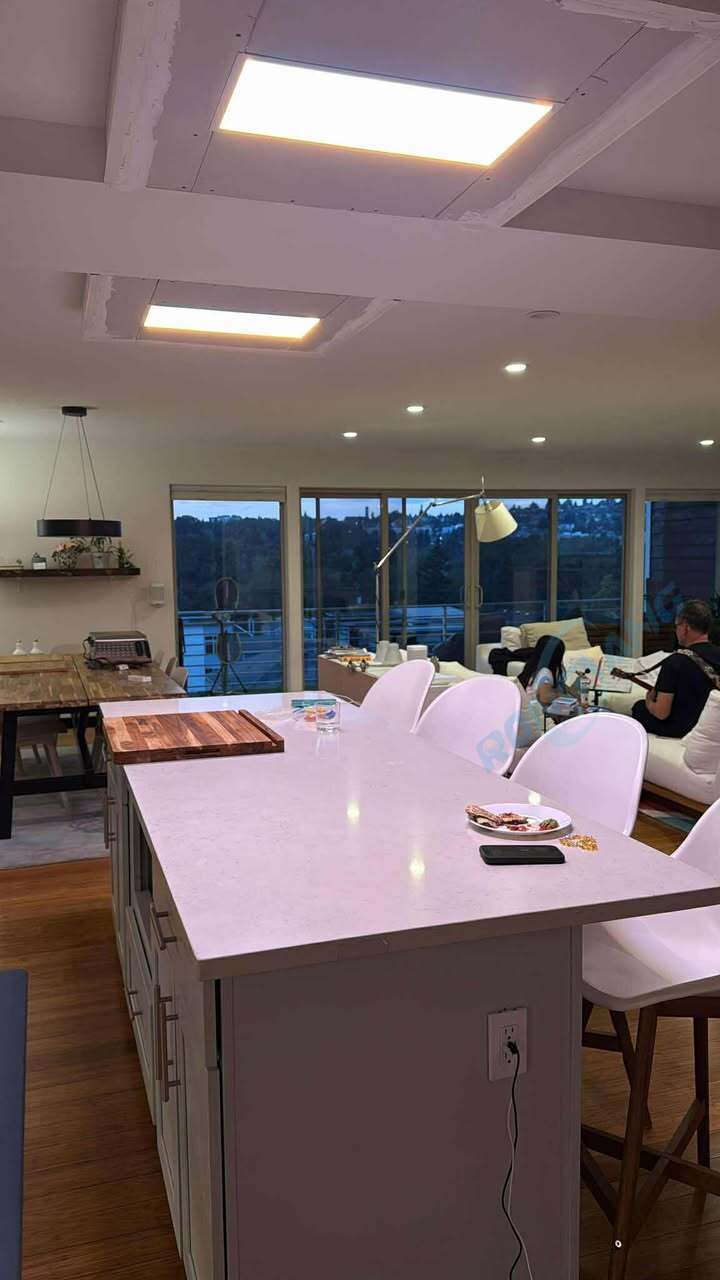
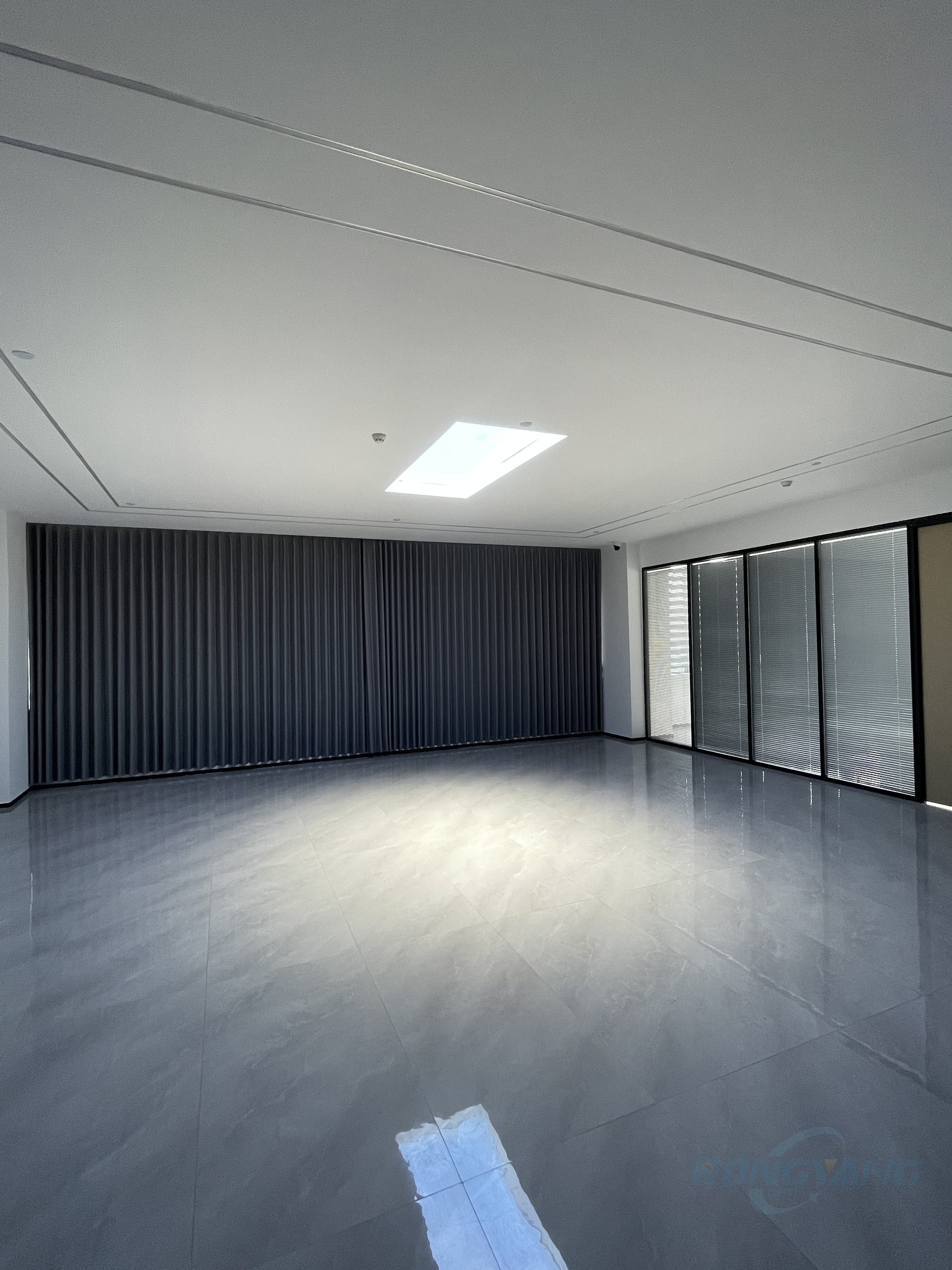
The placement was carefully designed to maximize the skylight illusion, making the ceiling appear more open and visually dynamic.
Results: From Flat Lighting to Natural Daylight Experience
After installation, the space underwent a significant transformation.
The artificial skylight introduced a natural daylight atmosphere, making the interior feel brighter, more open, and more comfortable for daily use.
Compared to traditional LED panels, the difference was clear:
Improved spatial perception and ceiling height effect
More natural and visually appealing lighting
Enhanced comfort for long working hours
Stronger overall design value for the project
This solution not only improved lighting quality but also elevated the entire interior environment.
Before & After Comparison
Before:
Standard LED panel lighting
Flat and uniform illumination
Dark and enclosed feeling
After:
Artificial skylight with realistic daylight effect
Brighter and more open space
Improved atmosphere and visual comfort
Technical Specifications
Product: Artificial Skylight
Model: D600×1200
Application: Indoor commercial lighting
Installation: Ceiling-mounted
Function: Indoor daylight simulation
Key Feature: Natural skylight effect with depth and softness
Why Artificial Skylight is Ideal for Commercial Projects
For contractors, developers, and interior designers, artificial skylights offer more than basic lighting. They provide a high-value lighting solution that enhances both functionality and user experience.
This makes them especially suitable for:
Windowless rooms
Commercial interiors
Offices and retail environments
Regions with limited natural daylight
Looking for an Indoor Skylight Solution?
If your project involves spaces with limited or no natural light, our artificial skylight systems can help you create a brighter, more natural, and more engaging environment.
Contact us today for customized commercial lighting solutions.
Overseas Experience Center Lighting Case | India
Dual DALI Sky Lighting Solution for a Premium Experience Space
Project Overview
Project Type: Overseas Customer Experience Center
Location: India
Control System: DALI
Application Areas: Experience Area / Display Area
Lighting Products Used
1. E6001200 Sky Light
Quantity: 5 units
Power: 300W
Driver: DALI
Application: Main experience area, providing high-output and uniform sky illumination
2. P-T6001200 Sky Light (Ultra-Slim Version)
Quantity: 12 units
Power: 100W
Thickness: 36 mm (ultra-slim design)
Driver: DALI
Application: Secondary display areas, offering flexible installation with a clean ceiling appearance
Project Background
The experience center was designed to showcase products in a comfortable, immersive, and professional environment.
High requirements were placed on lighting quality, ceiling aesthetics, and intelligent control, especially for long-term operation and visitor comfort.
Lighting Solution
A dual-product sky lighting solution was implemented using DALI control.
The E6001200 (300W) fixtures deliver powerful and uniform illumination, simulating natural sky light in the main experience areas.
The P-T6001200 ultra-slim fixtures, with a thickness of only 36 mm, were applied in areas with stricter ceiling constraints, ensuring a clean and modern visual appearance without compromising lighting performance.
Both lighting systems work together seamlessly, offering stable control, smooth dimming, and consistent light quality across different zones.
Project Results
The completed lighting system significantly improves spatial openness and visual comfort.
The experience center now features bright, soft, and evenly distributed light, creating an environment that closely resembles natural daylight.
This project demonstrates the flexibility and reliability of sky lighting solutions in international commercial and experience-based spaces.
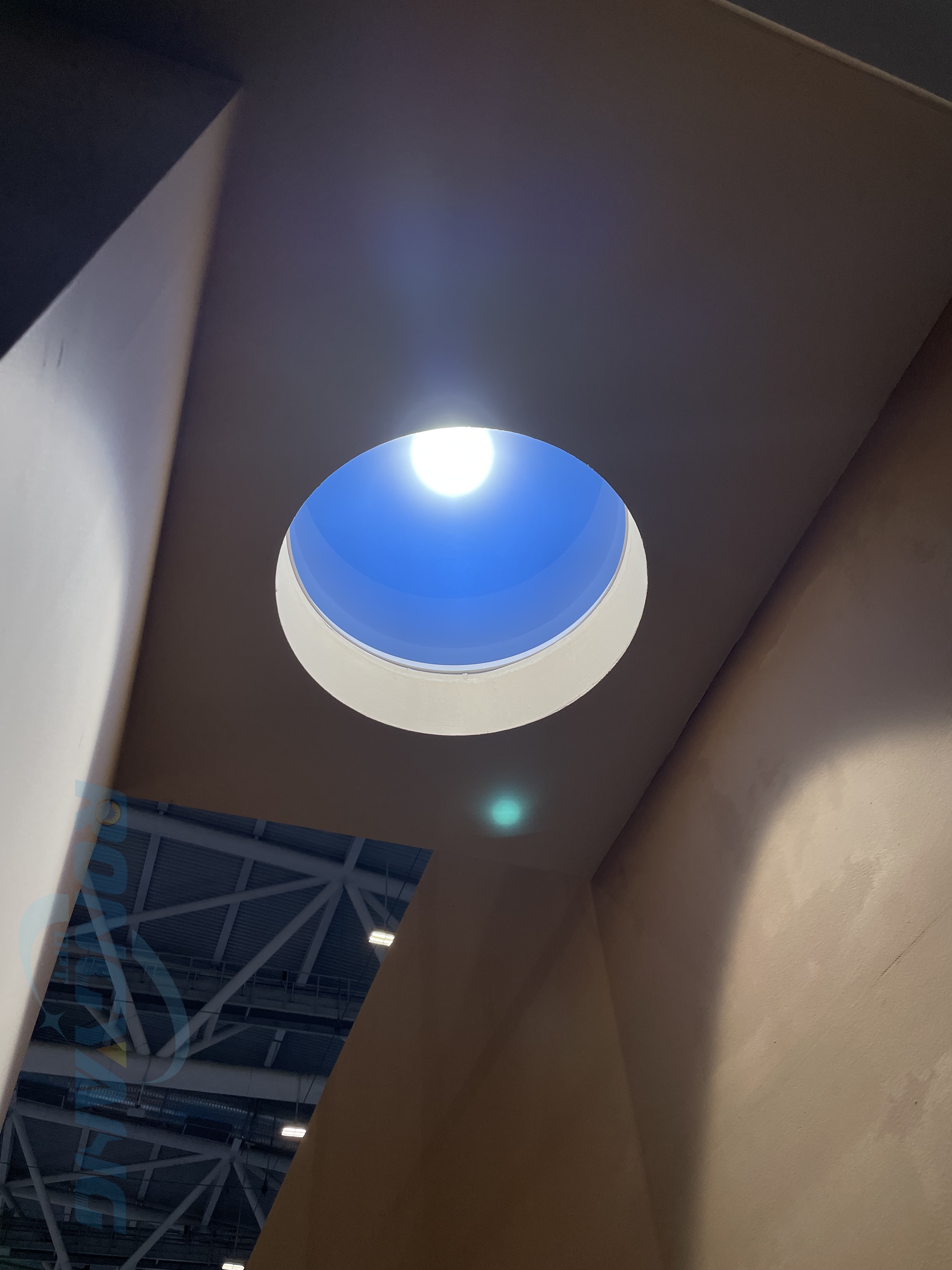
Our company focusing on the lighting technology of Rayleigh scattering optical phenomenon, using white LED-precision micro-optics - nano scale material technology -IOT algorithm to simulate the 24-hour automatic change process of sunlight, and highly restore the natural scene of sunlight shooting into the room from thousands of miles high.
The clear blue sky and warm sunshine into the indoor lighting, widely used in insufficient lighting space or easy to continuous rain and snow in the longitude and latitude area.
The Origin of Rayleigh Scattering-Why the Sky Appears Blue
1. What Is Rayleigh Scattering?
Rayleigh scattering is a physical phenomenon that describes how light interacts with very small particles.
It was first explained in the 19th century by British physicist John William Strutt (Lord Rayleigh). His work showed that when light passes
through a medium containing particles much smaller than the wavelength of light—such as gas molecules in the atmosphere—the light is
scattered rather than traveling in a straight line.
This type of scattering is especially important in understanding how sunlight behaves in Earth’s atmosphere.
2. How Sunlight Interacts with the Atmosphere
Sunlight reaching Earth appears white, but it is actually a mixture of many different colors, each with a different wavelength.
When sunlight enters the atmosphere, it encounters countless tiny gas molecules, primarily nitrogen and oxygen. These molecules are far smaller than visible light wavelengths, which makes Rayleigh scattering the dominant effect.
A key characteristic of Rayleigh scattering is that shorter wavelengths scatter much more strongly than longer wavelengths.
In simple terms:
Blue light has a short wavelength
Red light has a longer wavelength
Short wavelengths are scattered far more efficiently
3. Why the Sky Looks Blue
Because blue light is scattered strongly in all directions, it spreads across the entire sky.
No matter where you look during the daytime, scattered blue light is reaching your eyes from every direction.
Longer wavelengths, such as red and orange light, pass through the atmosphere more directly and are less scattered.
As a result:
The sky appears blue during the day
The sun itself appears slightly yellowish rather than pure white
4. Why the Sky Is Not Purple
Although violet light has an even shorter wavelength than blue light, the sky does not appear violet for several reasons:
Together, these factors make blue the dominant color we perceive.
Sunlight contains less violet light than blue light
Human vision is less sensitive to violet wavelengths
Some violet light is absorbed in the upper atmosphere
5. Why Sunsets and Sunrises Appear Red
When the sun is low on the horizon, sunlight travels through a much longer path in the atmosphere.
During this long journey:
Most blue and green light is scattered away
Red and orange wavelengths remain and reach the observer
This is why sunsets and sunrises often display warm red, orange, and golden tones.